
The World of Fashion: Defining Trends, Personal Style, and Sustainable Futures
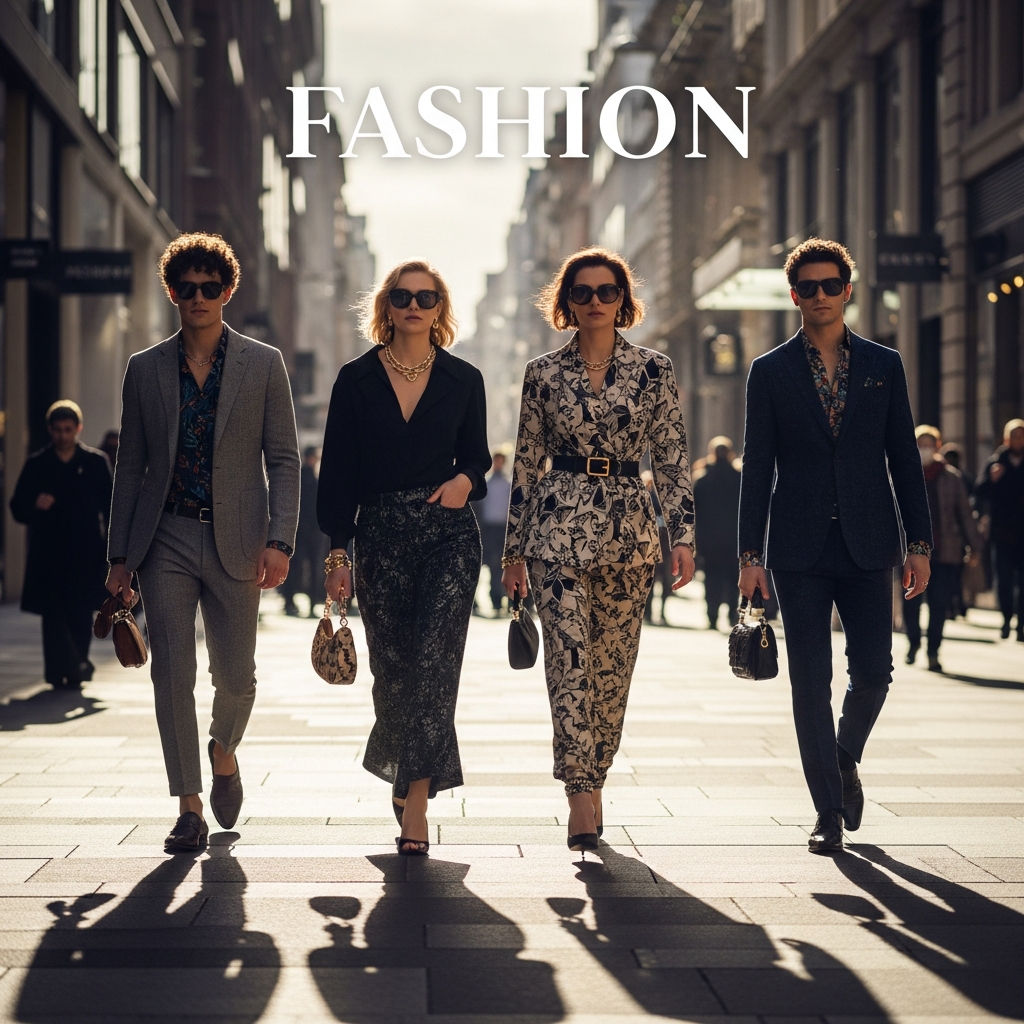
The World of Fashion: Defining Trends, Personal Style, and Sustainable Futures
Fashion is far more than the simple act of covering ourselves; it is a complex, multi-billion dollar industry, a powerful cultural barometer, and an indispensable form of self-expression. It dictates what we wear, reflects societal values, and moves through cycles of rapid change, constantly redefining the global aesthetic.
This comprehensive guide dives deep into the dynamic world of fashion, exploring its historical significance, the mechanics of trends, practical advice for cultivating personal style, and the urgent shift toward sustainability that is redefining the future of clothing.
The Enduring Definition: What Exactly is Fashion?
At its core, fashion refers to the prevailing styles in clothing, accessories, footwear, and lifestyle prevalent at a specific time and place. Unlike static definitions of clothing, fashion is inherently dynamic and temporary. It is driven by socio-economic shifts, technological advances, political climate, and artistic movements.
Fashion serves as a cultural mirror, often reflecting rebellion, prosperity, or constraint. From the dramatic silhouettes of the Victorian era to the minimalist trends of the 1990s and the digital influences of today, fashion offers immediate non-verbal communication about who we are and where we stand in the world.
More Than Just Clothing: Fashion vs. Style
While often used interchangeably, fashion and style represent two distinct concepts. Understanding the difference is crucial for anyone looking to navigate their wardrobe choices effectively.
- Fashion: External, collective, and trend-driven. Fashion is what the industry produces and promotes. It is temporary and focused on seasonal shifts (e.g., the current trend of wide-leg trousers).
- Style: Internal, individual, and enduring. Style is how you interpret and personalize fashion trends. It is a signature look that transcends seasons and reflects consistent personal taste and identity (e.g., your consistent preference for monochromatic dressing regardless of current trends).
The Economic Engine of the Fashion Industry
The global fashion industry is a massive economic powerhouse, encompassing design houses (luxury and mass-market), manufacturing, marketing, retail, and media. This interconnected ecosystem relies heavily on supply chain efficiency and consumer demand, impacting millions of jobs worldwide.
Decoding the Dynamics: The Cycle of Trends and Style
Fashion operates on a continuous cycle, influenced by high-end design houses and accelerating digital platforms. This cycle dictates the life span of trends, moving them from exclusive runways to mass-market availability.
From Runway to Reality: How Trends Are Born
The creation of a trend is a multi-step process that often begins over a year before the garments hit the racks. It starts with trend forecasting agencies, designers, and major textile manufacturers who predict forthcoming colors, silhouettes, and fabrics.
The process generally follows this trajectory:
- Innovation: Designers introduce novel concepts during major Fashion Weeks (New York, Paris, Milan).
- Diffusion: Key influencers, celebrities, and fashion media adopt and popularize the looks.
- Mass Adoption: High-street retailers (fast fashion) quickly adapt the designs into affordable, accessible versions.
- Decline: Once saturation is reached, the trend fades, paving the way for the next new look.
The Cost of Speed: Understanding Fast Fashion
The rise of fast fashion—the rapid production of inexpensive, trendy clothing—has fundamentally changed consumer habits. While it makes fashion accessible, it carries significant social and environmental costs. Its business model relies on high volume, quick turnover, and low prices, leading to excessive waste and often exploitative labor practices.
The global conversation around fashion now heavily scrutinizes this model, pushing consumers and corporations toward more conscious choices.
The Pillars of Personal Style: How to Curate Your Look
While fashion dictates trends, style is a deliberate act of self-authorship. Developing a signature personal style is key to feeling confident and creating a wardrobe that truly works for you, rather than just chasing fleeting trends.
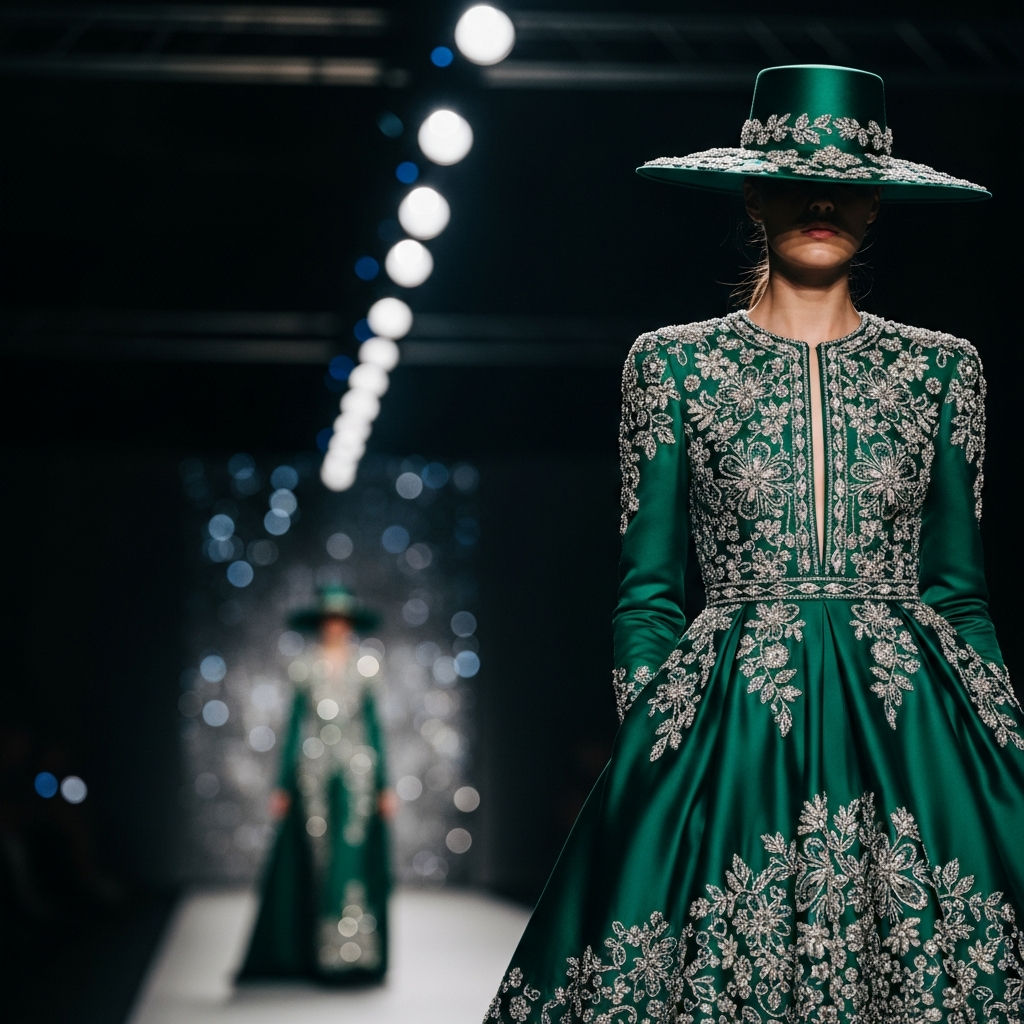
Building Your Signature Look
Developing a strong personal style requires self-reflection and disciplined shopping habits. It involves identifying what makes you feel best and sticking to a cohesive aesthetic.
- Know Your Body and Lifestyle: Dress for the life you lead. If your lifestyle is casual, invest primarily in high-quality casual pieces.
- Identify Your Core Aesthetic: Are you minimalist, maximalist, bohemian, classic, or edgy? Create a mood board to define your ideal look.
- Define Your Color Palette: Determine the three to four primary colors and two neutral shades that look best on you and harmonize across your wardrobe.
The Power of the Capsule Wardrobe
A capsule wardrobe is a limited collection of essential, timeless clothing items that can be easily mixed and matched, complemented by a few seasonal pieces. This approach emphasizes quality over quantity, reduces decision fatigue, and minimizes clothing waste.
Key components of an effective capsule include:
- Tailored trousers or quality denim.
- Classic knitwear (e.g., cashmere or merino wool crewnecks).
- A versatile trench coat or blazer.
- High-quality neutral T-shirts and shirts.
- Timeless accessories and shoes.
Fashion’s New Frontier: Sustainability and Ethical Choices
In the 21st century, the greatest challenge facing the fashion industry is the transition toward sustainability. Consumers are increasingly demanding transparency, ethical sourcing, and environmental responsibility from the brands they support.
Ethical Consumption in the Fashion Industry
Sustainable fashion considers the environmental and socio-economic impact of clothing throughout its entire lifecycle—from the raw materials used to the disposal of the garment. This movement tackles issues such as water pollution (from dyeing processes), carbon emissions, textile waste, and fair labor wages.
The Rise of Slow Fashion and Thrifting
Slow fashion is an antithesis to fast fashion. It champions mindful consumption, high-quality durable goods, local sourcing, and traditional craftsmanship. Brands adopting this model prioritize longevity and responsible production.
Furthermore, the resale market, led by platforms promoting thrifting and pre-owned luxury, has exploded. Buying second-hand clothes extends the life of garments, dramatically reducing the need for new production and minimizing environmental impact—a powerful shift toward a circular fashion economy.
Looking Ahead: The Future of Fashion
The trajectory of fashion is being shaped by technology and a commitment to ethics. Digital tools like 3D body scanning promise better fits and reduced returns, while AI is helping companies optimize supply chains to minimize overproduction.
The concept of digital fashion (clothing designed for virtual use, such as gaming avatars or augmented reality filters) is also gaining traction, challenging traditional notions of textile production entirely.
Ultimately, fashion remains a vital expression of human creativity and identity. Whether driven by runway spectacle or quiet personal confidence, the world of fashion continues to evolve, pushing us to dress not just stylishly, but also thoughtfully.
Read Also: The Ever-Evolving Tapestry of Fashion: More Than Just Clothes